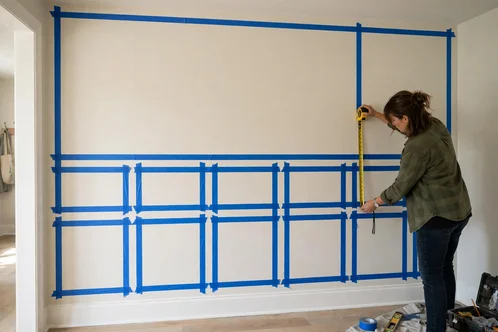
Coffered vs Tray Ceiling: Which One Is Right for Your Room?
Choosing between a coffered ceiling and a tray ceiling comes down to architectural style, ceiling height, and room function. One brings bold grid geometry and heavy timber texture, while the other offers seamless recessed curves and hidden LED halo glow.
Quick summary:
| Feature | Coffered Ceiling | Tray Ceiling |
|---|---|---|
| Structure | Grid of sunken panels and beams | Recessed inverted stepped center |
| Best Ceiling Height | 9 feet minimum (ideally 10ft+) | 8.5 to 9 feet minimum |
| Aesthetic | Neoclassical, grand, structural | Modern, clean, minimalist |
| Lighting | Chandelier or perimeter cans | Hidden LED perimeter cove light |
What is a Coffered Ceiling?
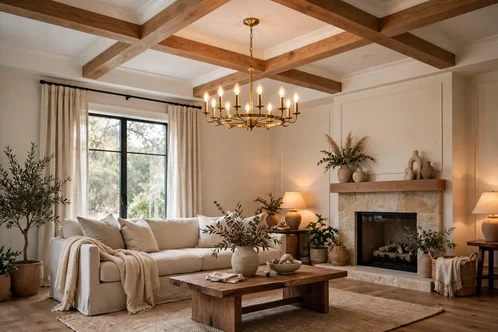
A coffered ceiling consists of a grid of sunken panels (coffers) bordered by intersecting structural or decorative beams. It adds immense depth, character, and traditional luxury to large spaces like living rooms, home offices, and dining spaces.
- Architectural depth: The geometric grid breaks up flat, boring ceilings and absorbs sound nicely.
- Height requirement: Because beams hang downward, you need a minimum 9-foot ceiling (10 feet is preferred) to avoid making the room feel enclosed.
- Material versatility: Can be built using real hardwood beams, lightweight MDF, or polyurethane faux beams.

What is a Tray Ceiling?
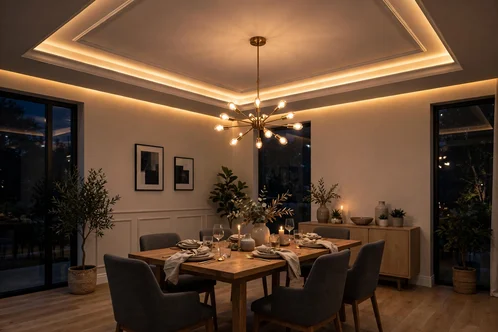
A tray ceiling features a recessed center section that steps upward, resembling an inverted tray. It draws the eye upward, making standard 8-foot or 9-foot rooms feel significantly taller and airier.
- Inverted stepped design: Creates an illusion of height by pulling vertical focus toward the center vault.
- Perfect for LED coves: The inner lip is ideal for concealing continuous 2700K LED strip lighting for a soft halo glow.
- Versatile placement: Works wonderfully in master bedrooms, modern dining rooms, and hallways where coffered beams would feel too heavy.
Key Differences in Installation and Cost
Understanding the structural and financial differences helps determine which option fits your home project best:
- Labor intensity: Coffered ceilings require precise woodworking, framing, and trim carpentry. Tray ceilings rely heavily on drywall framing and plastering.
- Lighting integration: Tray ceilings naturally accommodate hidden cove lighting, whereas coffered ceilings rely on chandeliers, recessed cans, or strip lights inside individual coffers.
- Budget considerations: Custom wood coffered systems are generally more investment-heavy due to custom millwork, while standard drywall tray ceilings offer a cleaner look at a moderate cost.
Budget & Material Estimates
Estimated price reference for installing custom architectural ceilings:
| Ceiling Type | Material & Style | Approx. Cost Range |
|---|---|---|
| Standard Tray Ceiling | Drywall framing with LED cove strip | $1,500 – $3,500 |
| Faux Beam Coffered Ceiling | Lightweight MDF or polyurethane beams | $2,500 – $5,000 |
| Custom Wood Coffered Ceiling | Solid hardwood millwork & grid | $5,000 – $12,000+ |
*Note: Prices listed above are estimated approximations and may vary based on room dimensions, labor rates, and material selections. Always verify quotes with local contractors.
Which One Should You Choose?
- Choose a Coffered Ceiling if: You have high ceilings (9ft+), prefer a traditional, grand, or neoclassical aesthetic, and want a bold structural statement.
- Choose a Tray Ceiling if: You want to maximize ceiling height illusion in standard rooms, love hidden LED ambient lighting, and prefer clean modern lines.